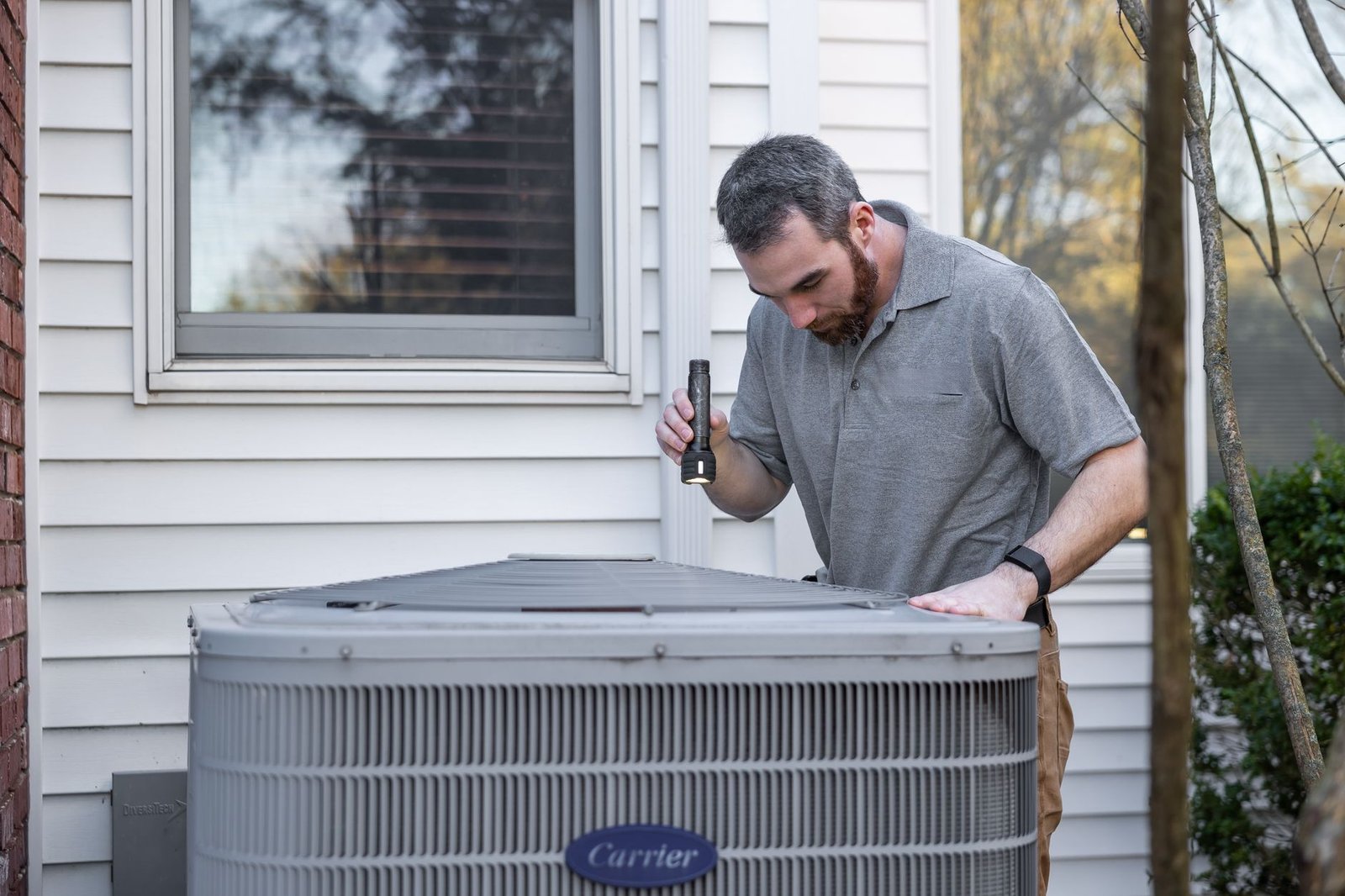
Mini-Split Repair
Get matched with a licensed local HVAC contractor for ductless mini-split diagnosis and repair in Quincy, Milton, Braintree, and Weymouth.
Ductless systems are reliable, but they aren’t maintenance-free, and a mini-split that’s underperforming rarely fails all at once. It usually degrades — cooling a little less each season, running a little longer to hold the same temperature — until one hot week makes it obvious.
We connect Quincy-area homeowners with licensed HVAC contractors who diagnose and repair ductless systems. Some of what goes wrong is genuinely a homeowner fix. Some of it involves refrigerant, which by law requires a licensed technician. We’ll be straight with you about which is which.
The most common call. Causes range from clogged filters to low refrigerant to a failing compressor — very different repairs at very different prices, which is why diagnosis comes first.
Often a sign of low refrigerant charge, a dirty outdoor coil, or a system that was undersized for the space when it was installed.
Heat pumps lose capacity as temperatures drop, and that’s normal to a point. A dramatic loss, or a unit that stops heating entirely in moderate cold, isn’t — it usually points to a refrigerant issue or a defrost-cycle fault.
A rattle is often a loose panel or mounting bracket. A hiss can indicate a refrigerant leak. Grinding or screeching from the outdoor unit suggests a fan or compressor bearing problem, and that one shouldn’t wait.
Usually a clogged condensate drain line — frequently fixable, and worth catching early before it damages the wall below.
Mini-splits self-report faults through blinking-light patterns or alphanumeric codes; write yours down. Some frost during a winter defrost cycle is normal, but ice that doesn’t clear, or any ice in cooling season, indicates airflow or refrigerant trouble.
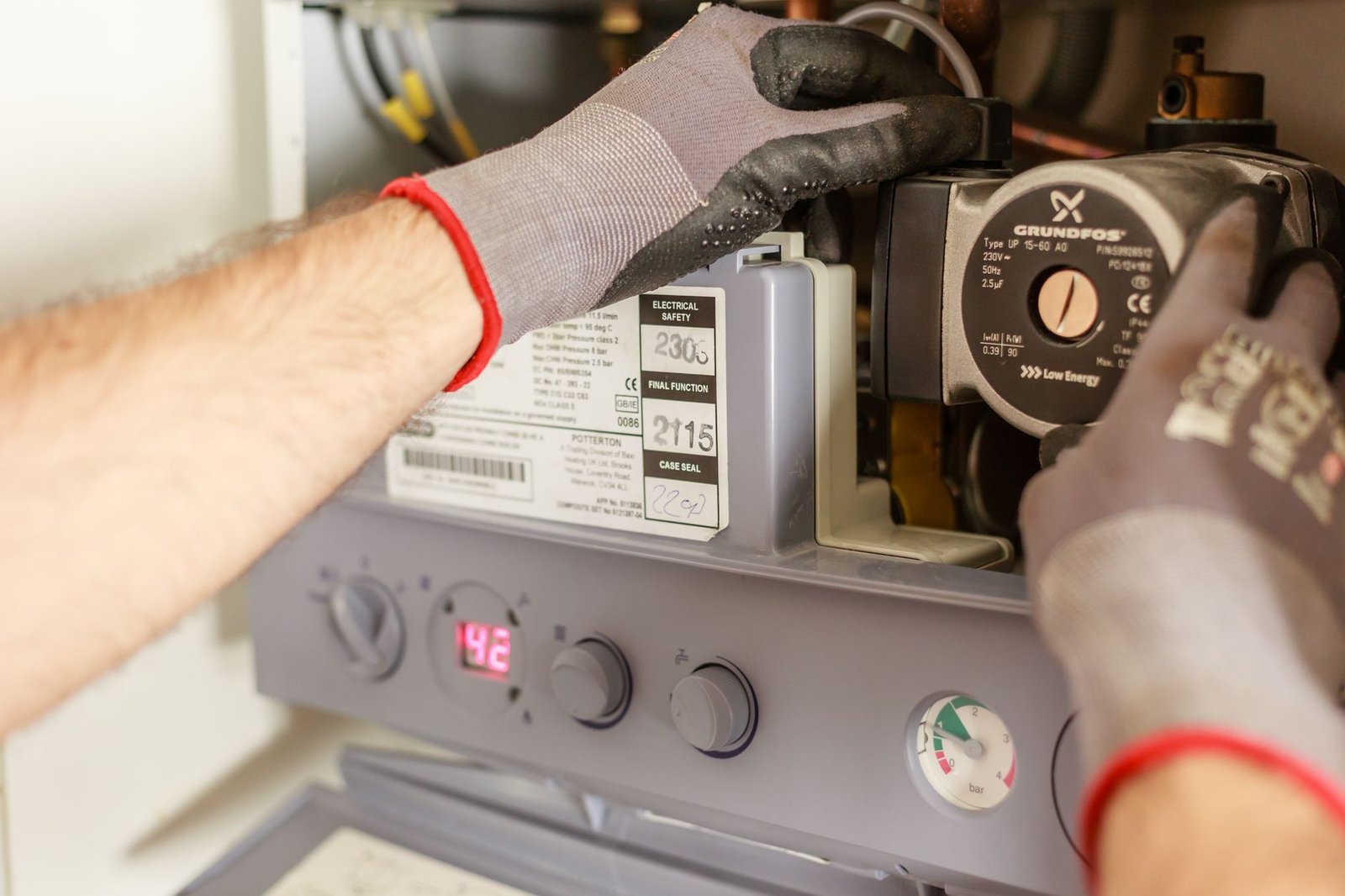
The single most common cause of poor performance, and the one you can fix yourself. Mini-split filters pull out of the indoor head, rinse in the sink, and go back in once dry. Every four to six weeks in heavy use.
Leaves, grass clippings, cottonwood fluff, and snow all restrict airflow across the condenser. Keep two feet clear on all sides.
Mini-splits are sealed systems — they don’t consume refrigerant, so low charge means a leak. Topping it off without finding the leak is a temporary fix at best. This is licensed-technician work.
Biological growth blocks the line, and water backs up into the indoor unit.
Electrical components age. A unit that hums but won’t start is a classic capacitor symptom.
An undersized system, an improperly charged line set, or a poorly pitched drain line can run acceptably for a season or two before becoming a real problem.
If your problem is a dirty filter, we’d rather tell you that than send someone out for a service call you didn’t need.
Refrigerant work requires a Massachusetts license. Every contractor we refer you to carries their own.
We’re a referral service and don’t sell equipment, so we’ve got no stake in steering you toward a new system — see our Referral Marketing Disclosure.
Get connected with a licensed local technician who works on ductless systems every day.